
The Great Asset Acquisition: Why $1M is the New Starting Line

We have officially entered a new era. As we step into January 2026, the global economy isn’t just recovering; it is being entirely rebuilt. J.P. Morgan Global Research characterizes our current path as a "resilient but uneven expansion," but if you look closer, the story is much deeper than a simple growth chart.

We are witnessing what Vanguard calls a historic "AI-driven physical investment cycle." This isn't the software hype of three years ago. This is the 2026 "Implementation Economy," a period Vanguard compares to the massive railroad expansion of the 1850s. Across the globe, we are building the data centers, smart energy grids, and automated manufacturing hubs that will define the next century. But for those of us on the journey to wealth, this story comes with a "Hard Truth" about the money in our pockets.
The Dilution of the Millionaire Dream
In this new world, the old milestones have shifted. For decades, "$1 Million" was the universal shorthand for having "made it." However, due to structural global inflation, $1,000,000 today carries the same purchasing power that ~$550,000 did in the late 1990s. If you are still aiming for the old number, you are aiming for a version of freedom that has already been diluted by time.

This reality is reflected in the way institutions are calculating safety. Morningstar’s 2026 State of Retirement Income report has officially adjusted the "Safe Withdrawal Rate" down to 3.9%. This adjustment isn’t a sign of weakness, but a recognition of a world where core inflation is still averaging 1.0% above central bank targets across the 21 largest economies.
To account for this, your "Freedom Number" must now follow the Rule of 26. Simply take your annual expenses and multiply them by 26. If you need $80,000 a year to live, your destination is no longer a million; it’s $2.08 Million.
The Migration from Cash to Ownership
As this math shifts, the "Easy Income" era is ending. BlackRock recently noted that while a record $9.1 trillion is currently sitting in global money market funds, that "lazy cash" is about to lose its edge. As central banks begin to pivot and trim interest rates, the 5% yields we enjoyed for the last two years are fading away.
This is creating a massive "Migration of Capital." The smart money is moving from being a lender (holding cash) to being an owner. We are seeing a pivot toward "Implementers"; companies in the Healthcare and Industrial sectors that are using technology to slash operational waste. J.P. Morgan identifies these as the 2026 winners, with earnings growth projected at a robust 13–15%.
The Global Guardrail: Hard Assets and Currency
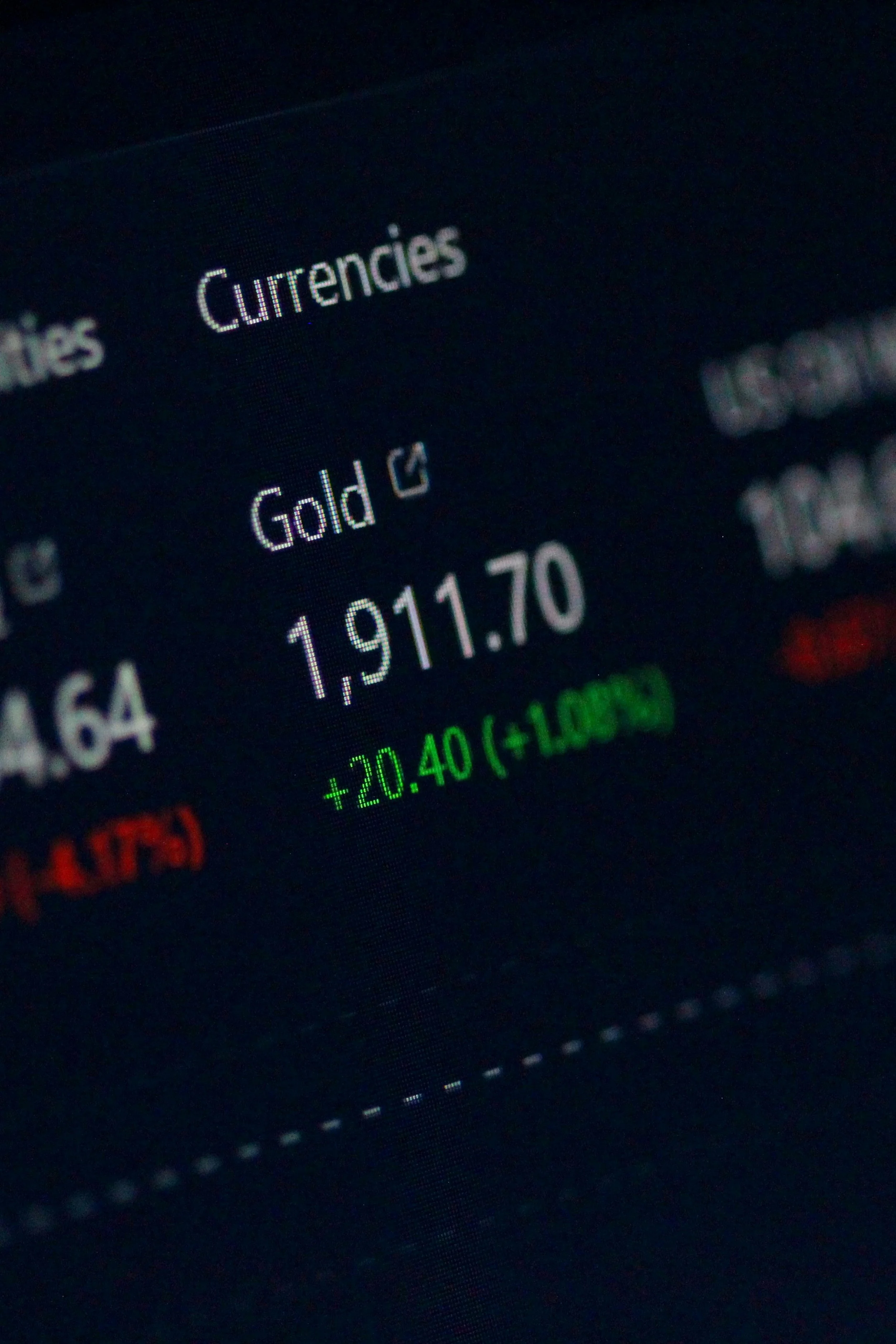
But ownership isn't limited to stocks. In a world where the U.S. Dollar "yield premium" is narrowing, wealth-builders are looking at Gold as a structural necessity rather than a fear-based hedge. Both Goldman Sachs and J.P. Morgan are forecasting a "rebasing" of Gold prices toward the $5,000/oz mark by late 2026. This is being driven by emerging market central banks aggressively diversifying their reserves, a signal that every global citizen should be watching.
Your First Step into the New Cycle
The story of 2026 is one of Acquisition. If you stay parked in cash, you are fighting a losing battle against a 3% structural inflation curve. Your role in this story is to move your capital into the "Asset Column."
This month, your journey starts with a simple Gap Audit. Calculate your new FI Number using the Rule of 26. Then, look at your "Lazy Cash." If it isn’t earning at least 4.0% in a high-yield vehicle, it’s time to move it. Finally, automate your first "Asset Acquisition"; a global index fund like the MSCI World with just 5% of your income.
